

There is a reason seasoned players talk about structure before they talk about reads. When you sit into a standard freezeout, one bad beat can drain your whole stack and send you back to the rail before the afternoon is out. That is why a lot of operators have started leaning into knockout formats, where every hand you win can put a little extra in your pocket from the opponent who lost it. The idea is simple enough, but the execution is where the real work sits. You are still playing poker, but the maths shifts because you are not just grinding for a flat share of the prize pool. You are weighing aggression against survival, and that changes how you treat blinds, stacks, and the table position you would normally protect. If you have spent years watching how tables break down over a long session, you know the difference between a format that punishes leaks and one that lets a decent player survive on patience alone.
How knockout structure changes the way you play each orbit
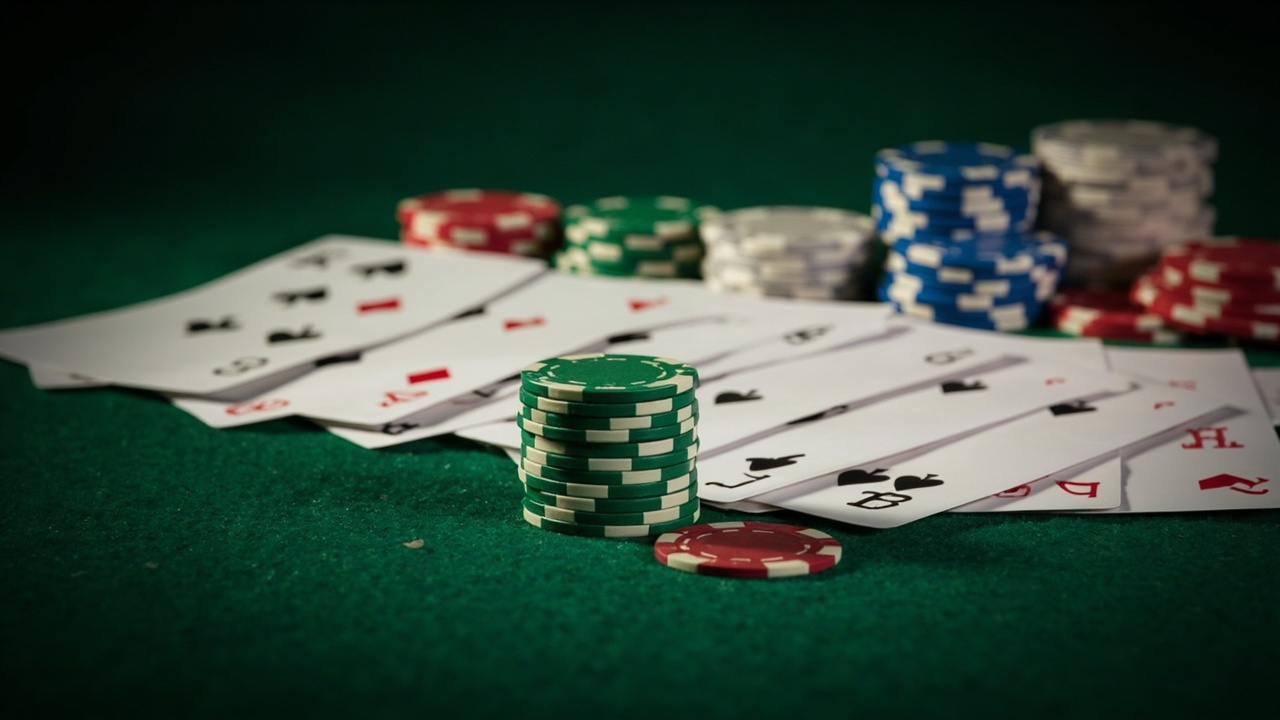
The first thing to get your head around is that a bounty on a player’s head is not a licence to play recklessly. In a normal tournament you can sometimes afford to fold and wait, because the blinds are the only thing taking your chips. In a knockout event, every hand you walk away from is a missed chance to add a little to your own stack from someone else’s stack. That sounds like an invitation to widen your range, but it is actually a trap if you do it without discipline. The players who do well here are the ones who treat the bounty as a bonus on top of a solid decision, not as the reason for the decision in the first place.
What I have seen over the years is that the best knockout players think about position the same way they would in a cash game, but with a tighter line on survival. If you are sitting on the button with a decent hand and a player in early position shows genuine strength, you do not automatically shove just because there is a bounty sitting on their shoulder. You weigh the size of the bounty against the likelihood of getting called and outdrawn. That is where the format rewards patience more than people expect. A smaller bounty on a deep stack does not justify a hero call that turns your tournament into a twenty-minute story. The structure is there to reward smart aggression, not to replace it with a fishing expedition.
A few practical habits tend to separate the players who last from the ones who burn out early:
- Track which opponents are paying for their bounties with genuine hands, not just loose calls, so you do not start treating every raise as a free entry.
- Respect the blind pressure on shorter stacks, because a player who is already under the gun is more likely to call light just to keep their tournament alive.
- Use the bounty as a reason to tighten up in big pots, not loosen up, because a single bad beat in a knockout event can cost you both your stack and the extra you were hoping to collect.
- Keep an eye on table dynamics late in an orbit, when tired players start making wider calls and the bounties become easier to pick off with well-timed aggression.
The point is that the format changes the incentives, not the fundamentals. You still need to read the table, still need to manage your stack, and still need to know when a hand is worth a real fight. The knockout element just means that a well-timed shove can do double duty, putting pressure on a weaker player while adding a little extra to your own day. That is a useful edge, but only if you are not chasing it with hands that would not get the job done in any other format.
What the format asks of you on a long session
A knockout tournament asks for a different kind of stamina than a standard event, because you are constantly weighing whether a hand is worth a little extra heat. That matters on a long day when the table starts to tilt and players begin making wider calls just to feel like they are doing something. In a regular freezeout you can sometimes ride that out by tightening up and waiting for a good spot. In a knockout event, sitting too tight for too long means you are leaving money on the table that a more active player will eventually pick up. So the balance is real, and it is one of the reasons the format suits players who are comfortable making decisions without overthinking every street.
There is also the practical side of how these events tend to run. A well-run knockout schedule usually keeps the blinds moving at a pace that matters, because a format where the bounties are meaningful but the blinds crawl can turn into a grind that rewards patience over skill. The operators who get this right tend to structure the event so that the early levels give you room to find your feet, then the later levels start asking you to make real decisions with real pressure on the line. That is the kind of rhythm I have always preferred in tournament coverage, because it mirrors what actually happens at a live table when the afternoon wears on and the stacks start to compress.
If you are the sort of player who likes to keep an eye on the bigger picture while you play, you will probably appreciate that a knockout event gives you a small, tangible reward for every good hand, rather than asking you to wait until the final table for anything to feel real. That does not mean the format is easier, and it certainly does not mean you can ignore the basics, but it does mean there is a reason to stay engaged even when you are not sitting on the nuts. The players who do well here are the ones who treat the bounty as a bonus on a solid game, not as the whole game itself.
Why the knockout angle suits a different kind of tournament player
The reason this format keeps showing up in operator schedules is that it suits a player who wants a bit more action in the middle of the event, not just a long wait for a final-table payout. If you are someone who likes to stay involved, who wants every good hand to mean something beyond the next blind level, then a knockout structure gives you a reason to keep playing with purpose. That is a different priority from the player who wants a flat, slow event where survival is the only thing that matters. Neither approach is wrong, but they are built around different expectations, and it helps to know which one you are signing up for before you buy in.
For a player who is used to thinking about tournaments in terms of patience and stack preservation, the knockout element can feel like a welcome change of pace, provided you do not let it pull you into hands you would normally fold. For a player who already likes to take a few calculated risks, the format gives those risks a small extra payoff that makes the whole session feel a bit more alive. The key is that the format is not trying to replace good poker with a gimmick. It is just changing the incentives so that a well-played hand can do a bit more work for you than it would in a standard event.
That is also why the format tends to work better for players who are comfortable reading a table over a few hours, rather than players who are looking for a quick, one-hand thrill. If you are the sort of person who likes to watch how a table breaks down, who pays attention to who is playing tight and who is getting loose as the blinds climb, then a knockout event gives you more to work with in the middle of the session. You are still playing the same game, but the stakes feel a little more personal because every good hand can put a little extra in your pocket from the player who made the mistake.
A knockout tournament is not a shortcut, and it is not a way to turn a weak game into a strong one. It is a format that rewards players who are already thinking about position, stack size, and the way a table is shifting over the course of an afternoon, and it gives them a small extra reason to keep playing with discipline. If that sounds like the sort of structure you want to sit into, then it is worth looking at how an operator sets the blinds, how the bounties are distributed, and whether the pace of the event suits the way you actually like to play.
For players who want to keep that kind of tournament focus in mind when they are weighing up where to sit, it helps to know that the operators behind these events tend to think about the same things from the other side of the felt. You can read more about how one operator approaches its tournament and bonus structure at https://staycasinoologin.com/au/login, which is worth a look if you want to see how the knockout angle fits into a broader schedule of ongoing promos and repeat-play reasons. The point is that a knockout event is only as good as the structure around it, and the players who get the most out of it are the ones who treat it as a different way to play the same game, not a different game altogether.
The format suits a player who wants a bit more action in the middle of the event, not just a long wait for a final-table payout. If you are someone who likes to stay involved, who wants every good hand to mean something beyond the next blind level, then a knockout structure gives you a reason to keep playing with purpose. That is a different priority from the player who wants a flat, slow event where survival is the only thing that matters, and it helps to know which one you are signing up for before you buy in.